Swing vs Sliding Driveway Entry Gates: Which Design Works Best for Your Property?
Compare gate styles and choose the right automated driveway gate for your property
If you’re planning on installing an automated driveway gate, one of the first – and most important – decisions is whether your property is better suited for a swing gate or a sliding gate. Both can provide security, convenience, and curb appeal, but they behave very differently once they’re installed.
The right choice leads to smooth, quiet operation and a system that fits naturally into your property. The wrong one can mean unnecessary wear, higher maintenance, or daily frustration.
This guide will walk you through the key differences so you can choose the right gate confidently. Ready to get started?
Understanding the Two Designs
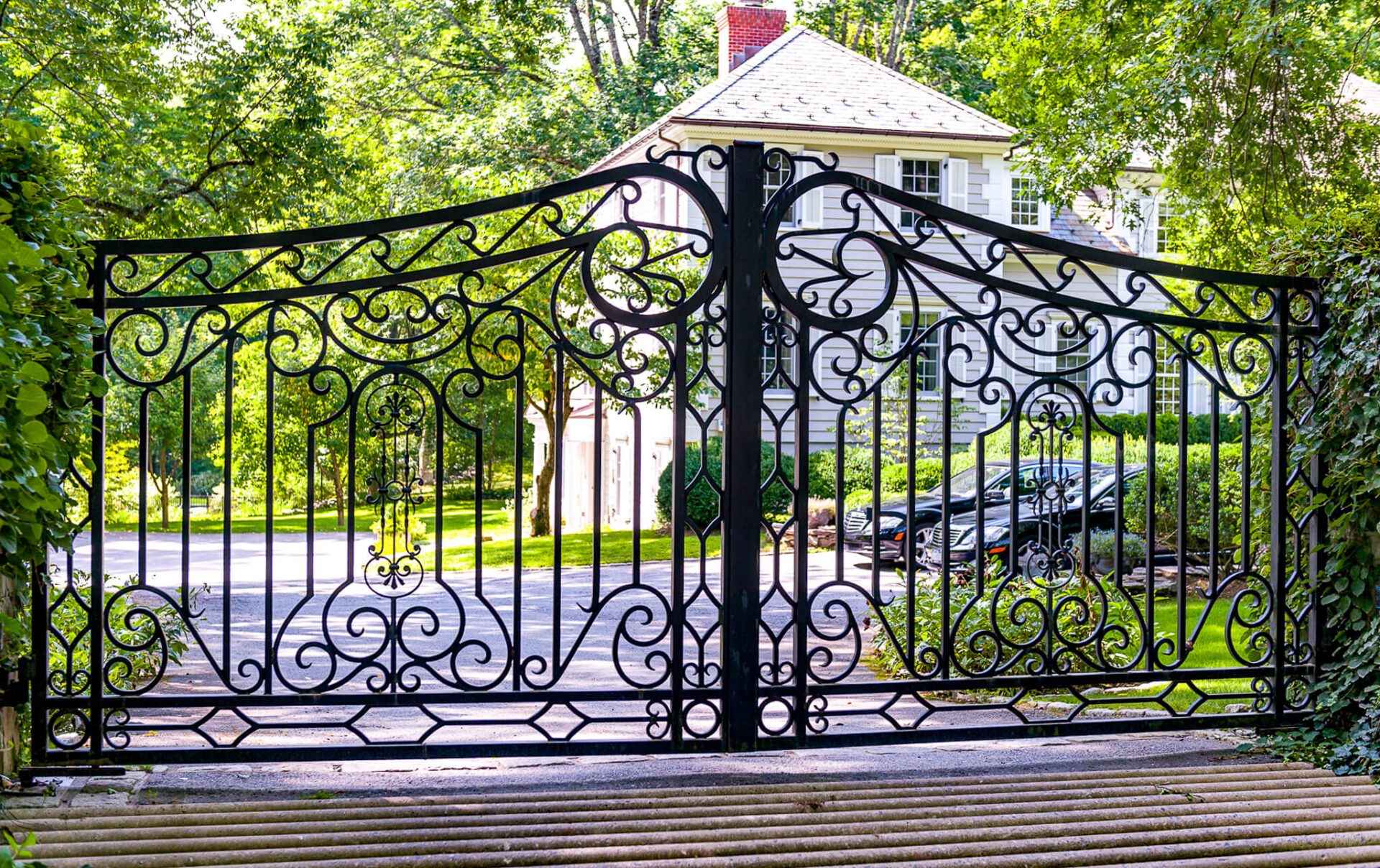
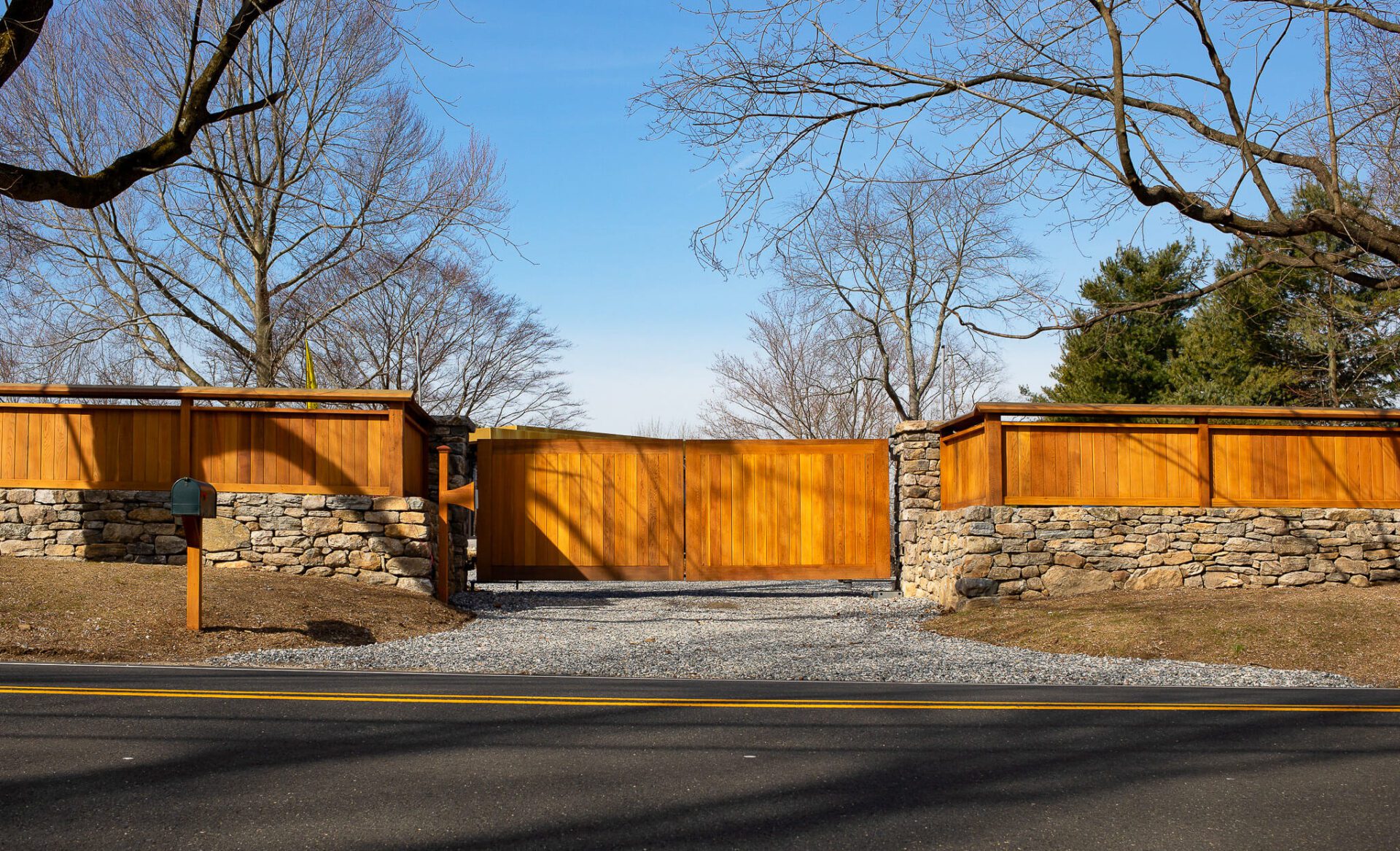
A swing gate opens on hinges, much like a door. It can be a single panel or a pair that meet in the middle. Swing gates are often chosen for their classic look and their ability to complement traditional or estate-style homes.
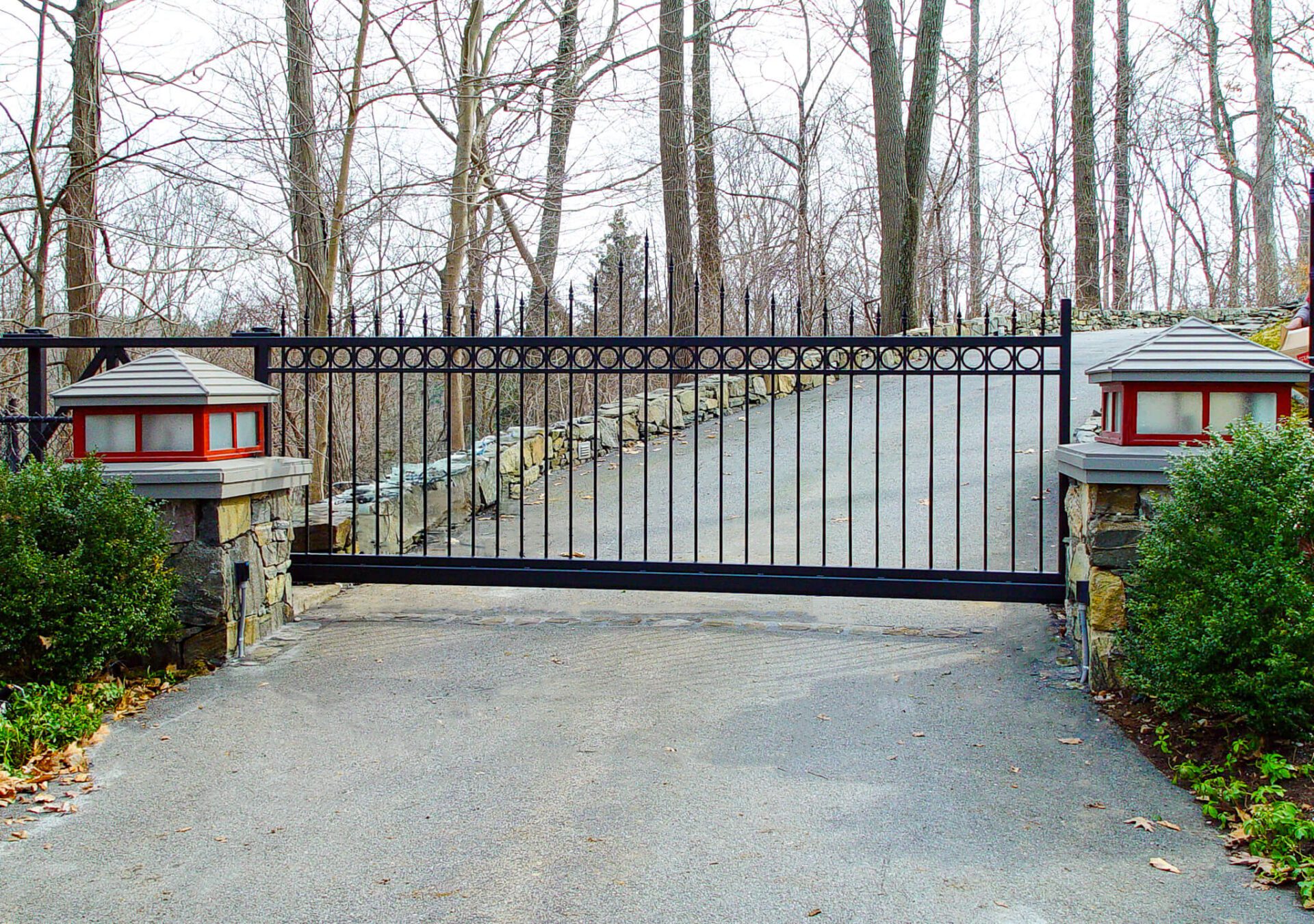
A sliding gate moves horizontally along the fence line, retracting into a run-back area beside the driveway. It may run on a track or use a cantilever system that suspends the gate above the ground. Sliding gates are commonly used when space, slope, or wind makes a swinging motion impractical.
Both styles can be automated, customized, and built to high security standards – but they interact with your property in very different ways.
How Your Property Influences the Right Driveway Entry Gate
When choosing an automated driveway gate, your property’s conditions matter the most. For example, if your lot is relatively level, and you have enough room for a gate to open inward or outward without blocking traffic, landscaping, or sidewalks, a swing driveway entry gate is often a great fit.
However, if your driveway slopes noticeably near the entrance, a sliding gate is usually a better option. Sliding gates move parallel to the ground, so they’re not affected by changes in elevation the way swing gates are.
Wind exposure also plays a role. Large swing gates can catch strong gusts and put stress on hinges and motors. Whereas sliding gates are generally more stable in windy or open environments.
Finally, space is another key factor:
- Swing gates need clearance in front of or behind the opening.
- Sliding gates need side clearance equal to (or slightly more than) the driveway width.
Keep in mind, neither is better by default – they simply require different physical allowances. Take a careful look at your property, and you may have a better idea of what type of gate you’ll want.
Performance, Safety, and Daily Driveway Entry Gate Use
When properly designed and installed, both gate types can perform extremely well for many years. Swing gates are mechanically simpler and often easier to service, but they concentrate their weight and force on hinges and posts. Over time, especially on large or heavy gates, this can increase wear.
Sliding gates distribute their weight across rollers or a cantilever frame, which can improve stability for wide or heavy installations. They can, however, introduce more moving parts that need proper alignment and routine inspection.
From a safety perspective, both designs require modern automation systems with sensors and obstruction detection. Swing gates must be designed to avoid swinging into vehicles or pedestrians, while sliding gates must be engineered to prevent pinch points and ensure smooth travel. At Tri State Gate, we are experts in installing automated gates to ensure long-term safety.
Design and Architectural Fit
To most homeowners, aesthetics are incredibly important. After all, your driveway entry gate is often the first impression of your property.
Swing gates tend to feel more formal and traditional. They pair beautifully with symmetrical driveways, stone columns, and decorative ironwork. They often work well in front of classic or traditional homes, at the end of long driveways, and in older, beautiful neighborhoods. Sliding gates, on the other hand, feel more modern or understated, making them a good fit for contemporary homes, minimalist landscapes, or properties where the gate should blend into the background.
Both types of gates can be customized in materials like wrought iron, aluminum, wood, composite, or steel, and both can include decorative elements, privacy panels, or custom detailing. If you’re interested in learning more about Tri State Gate’s custom-designed driveway gates, check out our past work here.
Automation and Technology
In terms of technology and automation, swing and sliding automated driveway gates are fairly similar in their abilities. Both options integrate well with:
- Keypads and remotes
- Integrated cameras
- Fingerprint scanners
- Bluetooth integration
- RFID
- Barcode scanners
This means that you can enjoy the utmost in convenience – no matter what type of gate you choose. Just open your automated driveway gate using one of our remote-based systems, and you’ll never have to step out of your car or home into the cold or rain.
A high quality driveway gate installer will recommend the best type of gate for your property and needs. At Tri State Gate, not only do we evaluate your property’s size and elevation, but also the architecture and style of your home. You can trust our 25+ years of expertise and know you’ll get the best recommendation for your property.
Maintenance and Long-Term Ownership
When you’re comparing swing and sliding gates, maintenance should always be part of the conversation. At Tri State Gate, we recommend yearly Service Agreements where we promise to visit your home twice-a-year to perform a full system check. Our Service Agreements also include:
- Priority status for service calls
- Lower hourly rates for repair work
- Customizable options for your unique needs
No matter which gate type you choose – swing or sliding – you’ll need routine checks and possible maintenance. For swing gates, we check the hinges, motors, and mounting posts. If you have a sliding gate, we look at the rollers, guides, tracks (if used), and structural alignment.
Many homes in New York, Connecticut, and New England, need more frequent clearing of snow and ice in front of driveway entry gates. Both swing and sliding gates perform well in the winter, but need careful attention during wintery conditions. That’s why we take pride in our attention to service calls and emphasis on preventing issues before they occur.
There’s No Universally “Better” Gate
Ultimately, the best automated driveway gate is the one that best fits your property, environment, and priorities.
If your driveway is level, your space is generous, and you prefer a traditional look, a swing gate may be ideal. If your yard is sloped, exposed to wind, or space-constrained, a sliding gate may be a better long-term option.
The best way to choose is to have your property evaluated by an experienced gate professional, like the ones at Tri State Gate, who understands engineering, automation, and design – not just products. When a gate is designed specifically for your property, it becomes a seamless part of your daily life.
Frequently Asked Questions
What driveway slope is too steep for swing gates?
Slopes over about 10% within the swing path usually make swing gates impractical and less reliable.
How much clearance do sliding gates need?
As a rule of thumb, you’ll need approximately 50% more footage to the side of your driveway, plus room for the motor housing.
Which gate needs less maintenance in snowy climates?
Cantilever sliding gates often require less winter maintenance than tracked systems or swing gates because there’s no ground track to clear.

Matt Prato is the president of Tri State Gate, and he offers decades of experience in custom gates and access solutions. Having been involved in every aspect of the company from design to fabrication, Matt is a true expert in his craft having worked on countless residential and commercial projects involving custom driveway gates, fences, railings, and other outdoor installations.