First Impressions Worth Thousands: How Property Gates Boost a Home’s Value
Why smart homeowners are investing in electric driveway gates
There’s a reason estates, gated communities, and high-end developments share one defining feature: controlled, beautifully designed entrances. Property gates create more than physical boundaries. They shape perception, influence buyer behavior, and directly impact market value in ways that continue to surprise even seasoned real estate professionals.
If you’re considering an automated gate installation – or just evaluating your property’s competitive position – understanding the psychology and economics behind gated entries is worth your time. From the moment a potential buyer rounds the corner and sees your property for the first time, the entrance is already doing powerful work. It’s setting expectations, communicating quality, and setting the tone for everything that follows.
So let’s dig into how automated property gates transform first impressions and drive measurable increases in real estate value.
The Psychology of the Grand Entrance
Here’s something most homeowners don’t think about: people form impressions within the first few seconds. And for residential properties, that moment happens right at the entrance – before anyone steps out of the car.
A well-designed automated gate doesn’t just look good. It changes how people feel about your property before they’ve even seen the front door. Designers and architects call it “the grand entrance effect.” Instead of revealing the home immediately from the street, a gate establishes a threshold – a deliberate pause that builds anticipation. The property becomes a destination, not just another house on the block.
When a buyer approaches a gated property, several unconscious associations kick in almost immediately:
- Exclusivity and privacy – The gate suggests selectivity and discretion.
- Security and control – A protected perimeter communicates safety.
- Quality and permanence – Substantial entrances imply thoughtful design throughout.
- Prestige and status – Gated properties are associated with higher-end markets.
These impressions aren’t superficial. They create an emotional foundation that colors how buyers perceive everything else about the property, from the landscaping to the finishes to the asking price itself.
Curb Appeal That Drives Real Numbers
Curb appeal has always mattered in real estate, but not all upgrades deliver equal returns. Automated property gates are different because they sit at the intersection of aesthetics, functionality, and perceived value – all at once.
Real estate professionals consistently report that gated properties command premium pricing. A custom gate doesn’t just improve curb appeal, it redefines it. The entrance becomes a focal point, an architectural statement that elevates the entire property presentation.
Think about how most people buy homes today. The journey starts online, scrolling through listing photos before ever scheduling a showing. A striking entrance gate stops that scroll. It immediately signals, “this property is different,” and that differentiation matters enormously in competitive markets where dozens of similar homes are all competing for the same buyers.
And when buyers do show up in person? The experience is even more powerful. There’s something that just feels different about driving through a custom automated gate, leaving the public road behind and entering a private sanctuary. That moment tends to be memorable – memorable enough, in many cases, to make an offer.
Before and After: The Transformation Effect
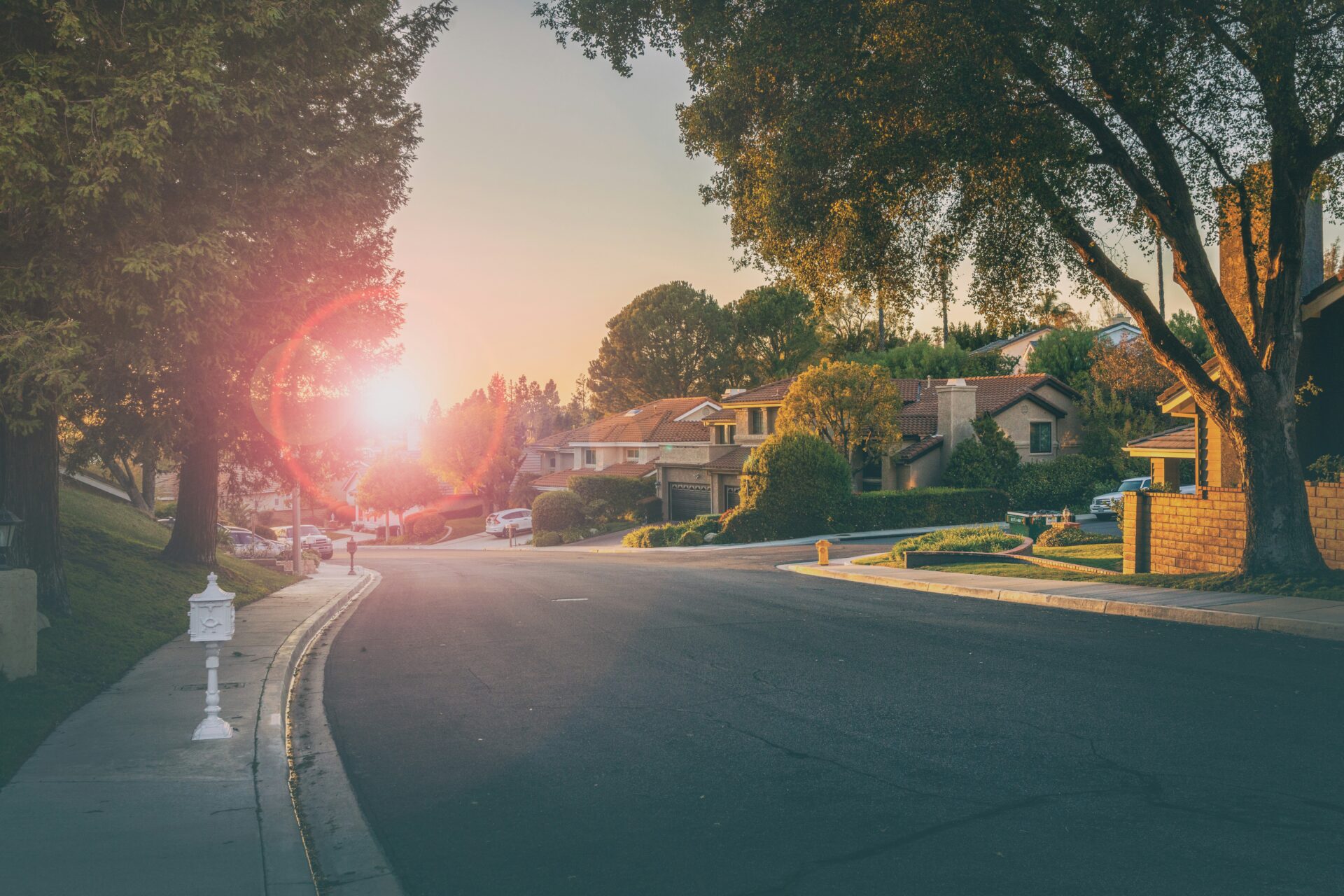
The impact of a property gate is most dramatic when you see the transformation firsthand. Picture a well-maintained suburban estate with mature landscaping, quality construction, and solid bones, but a standard driveway opening directly onto the street. The property blends into the neighborhood. There’s nothing wrong with it, but nothing particularly memorable either.
Now picture the same property after a custom automated gate installation. Suddenly, the entrance commands attention. Stone or brick pillars frame the opening. Ornamental metalwork echoes the home’s architectural details. Integrated lighting creates dimension and warmth at dusk. The driveway, once just pavement, becomes an arrival experience.
The “before” property was nice. But the “after” property is distinguished.
And this transformation isn’t just cosmetic. It fundamentally changes how the property is perceived and valued. Realtors describe gated properties as having “stronger showing appeal.” Buyers linger longer, ask more questions, and develop emotional attachment more quickly. In markets where multiple offers are common, that psychological edge often translates directly into higher final sale prices.
What Realtors Are Seeing in Today’s Market
Talk to real estate agents working in mid- to high-end markets, and you’ll hear consistent patterns. Gated properties move faster and command higher price points than comparable ungated homes, even when everything else is equal.
Why? Because today’s buyers want more than square footage and updated kitchens. They want privacy, security, and a genuine sense of arrival. They want a property that feels intentional, not accidental. A custom gate delivers all of that in a single, highly visible upgrade.
Beyond individual sales, gated properties also tend to hold their value better over time. Neighborhoods and developments with controlled entrances maintain stronger pricing stability, even during market corrections. The gate becomes part of the property’s permanent equity – not a passing trend, but a lasting asset.
Design Trends in High-End Markets
As buyer expectations evolve, so do gate design trends. In 2026, the most sought-after property gates blend timeless elegance with modern technology. Here’s what’s resonating right now:
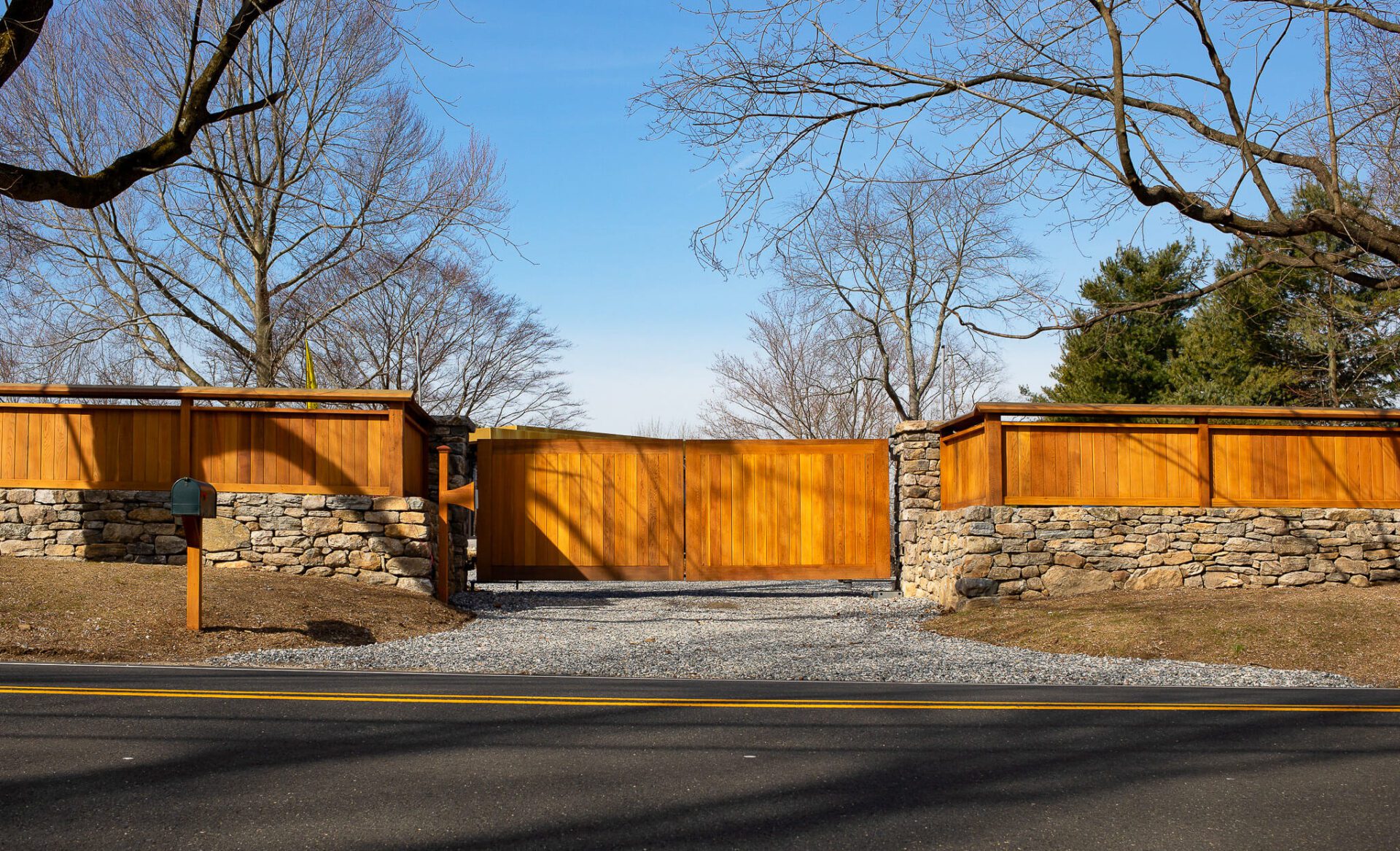
- Modern minimalism continues to dominate in contemporary markets. Clean lines, horizontal slats, and matte black or bronze finishes create sophisticated, understated entries that complement everything from mid-century modern to new traditional architecture.
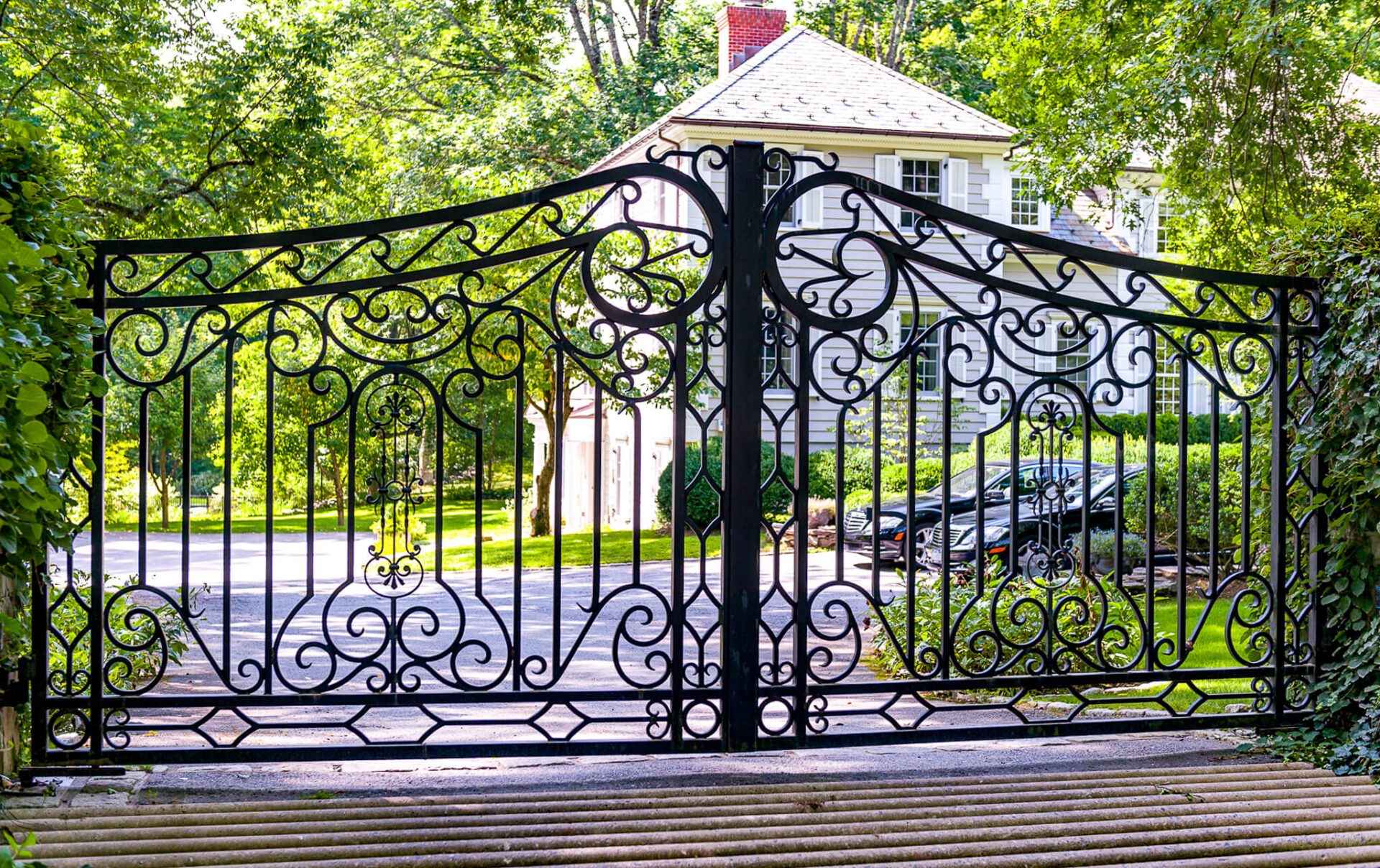
- Classic estate gates remain popular for traditional properties. Ornamental ironwork, decorative scrollwork, and custom monograms evoke heritage and permanence – qualities that resonate strongly with buyers looking for generational homes.
- Smart automation is now expected, not optional. Keypad entry, smartphone control, video intercom systems, and license plate recognition are all considered baseline features in today’s market – not upgrades.
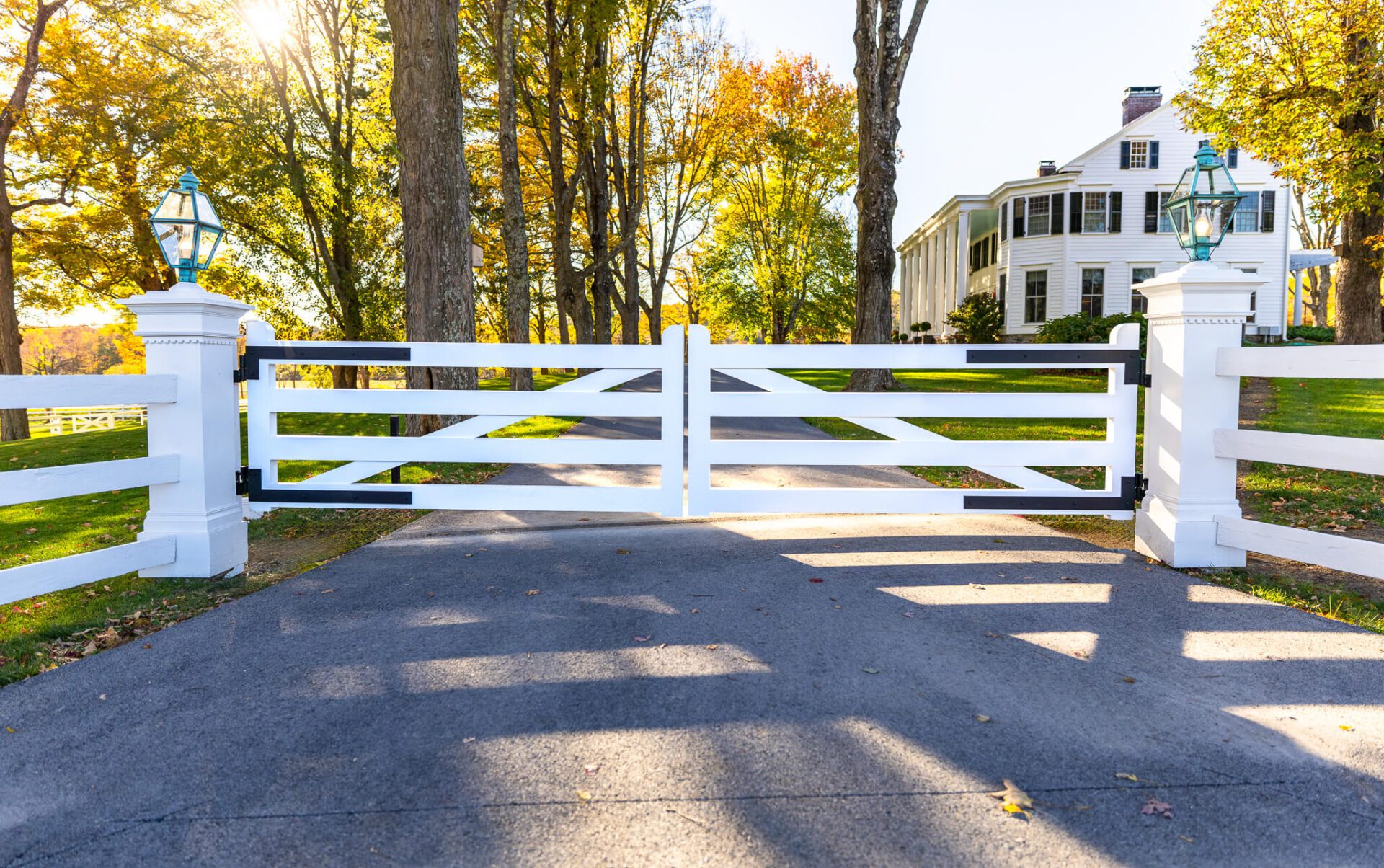
Realtors also note growing demand for architecturally cohesive designs. Buyers want gates that look like they were always part of the property. That means custom fabrication, color-matched finishes, and thoughtful integration with existing masonry, fencing, and landscaping.
The Investment That Keeps Giving
Unlike a lot of home improvements that offer diminishing returns, property gates deliver lasting value on multiple fronts. They improve daily life through convenience and security. They give you peace of mind right now. And when it’s eventually time to sell, they become a powerful marketing asset that attracts serious buyers and supports premium pricing.
For homeowners planning to stay long-term, a gate is an investment in permanence and daily enjoyment. For those thinking ahead to resale, it’s a strategic upgrade that sets the property apart and accelerates the sales process.
Either way, the transformation begins the moment the gate goes in, and the returns can continue for decades.
Frequently Asked Questions
Do buyers pay more for homes with electric driveway gates?
Usually, yes. Real estate data consistently shows that properties with automated gates command higher sale prices and spend less time on market than comparable ungated homes.
How do property gates affect neighborhood perception?
Property gates elevate neighborhood perception by signaling quality and security, which supports stable or increasing property values over time.
What gate styles are trending in real estate?
Modern minimalist designs with clean lines, classic ornamental ironwork, and premium materials are all trending. In addition, smart automation is now considered a baseline expectation, rather than an upgrade.

Matt Prato is the president of Tri State Gate, and he offers decades of experience in custom gates and access solutions. Having been involved in every aspect of the company from design to fabrication, Matt is a true expert in his craft having worked on countless residential and commercial projects involving custom driveway gates, fences, railings, and other outdoor installations.