8 Questions to Ask Your Electric Driveway Gate Designer Before Signing
Investing in a custom electric driveway gate is a significant decision – one that involves real money, long-term aesthetics, and the daily functionality of your home’s entrance. Getting it right matters. And getting it right starts long before fabrication begins.
The design consultation and quoting process is where everything is established: materials, dimensions, automation systems, finishes, timelines, and expectations. A professional gate designer should welcome your questions and answer them with confidence and clarity. If they don’t, that tells you something important.
Whether you’re requesting your first quote or comparing multiple proposals, here are the 8 questions worth asking before you start working together.
1. Can I See Your Portfolio of Completed Projects?
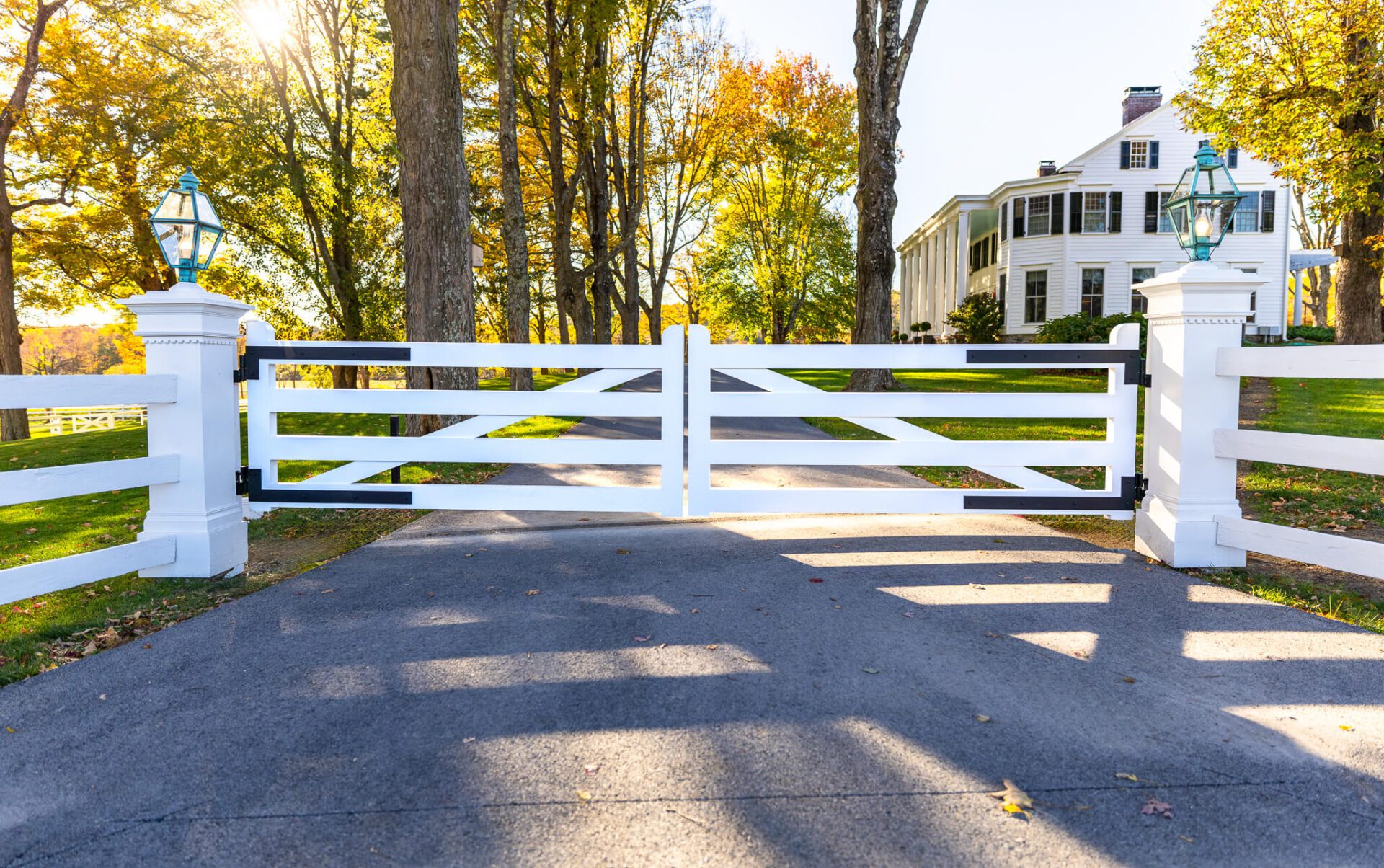
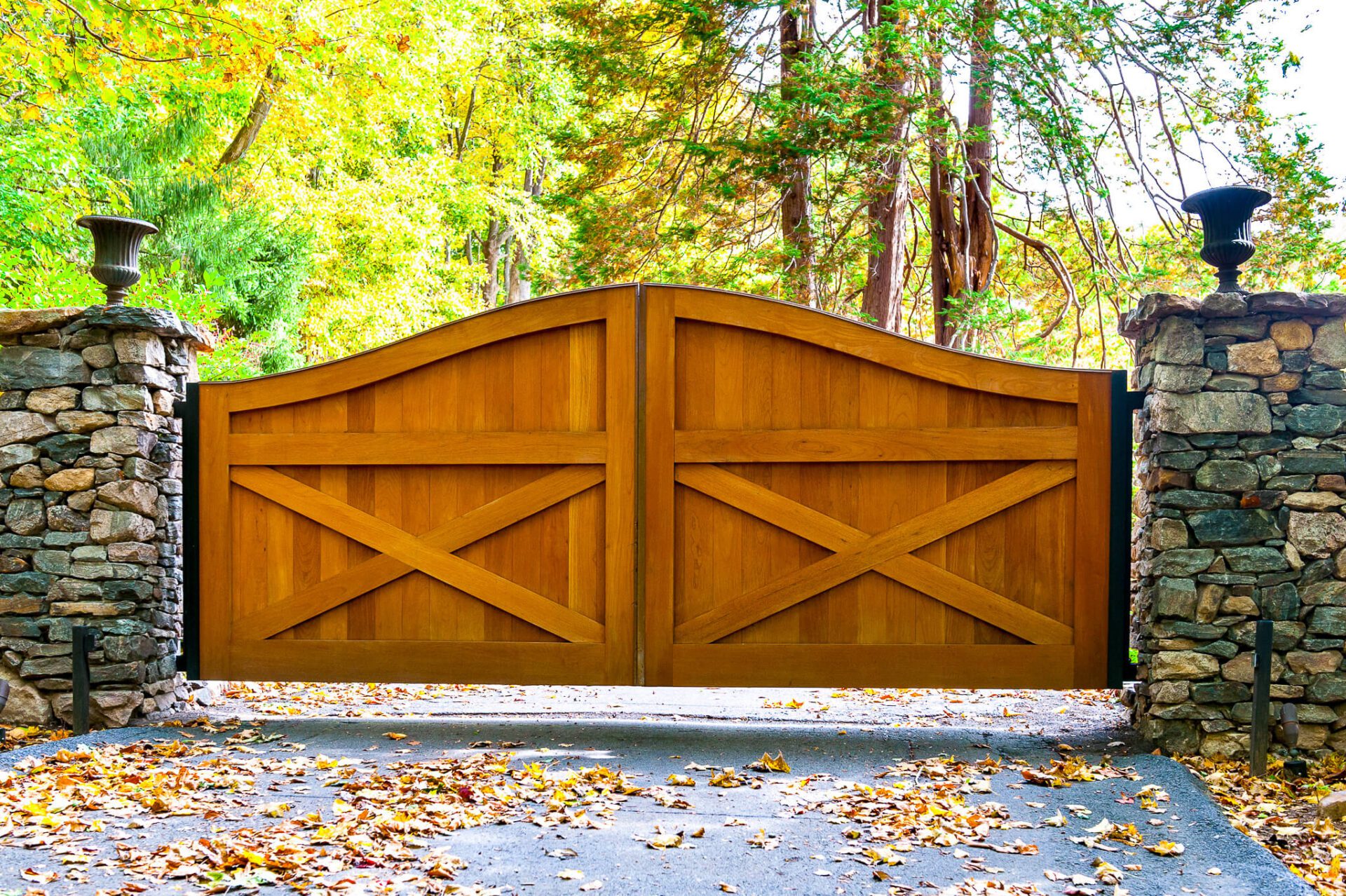
This one’s non-negotiable. Any reputable gate installation company should have a strong portfolio of completed installations – ideally across a range of styles, materials, and property types. You want to see real work, not just renderings or manufacturer photos.
Look for variety, attention to detail, and projects that feel architecturally cohesive with the surrounding property. If the portfolio feels thin or the designer struggles to show relevant examples, that’s worth noting.
2. How Will the Gate Be Color-Matched to My Existing Architecture?
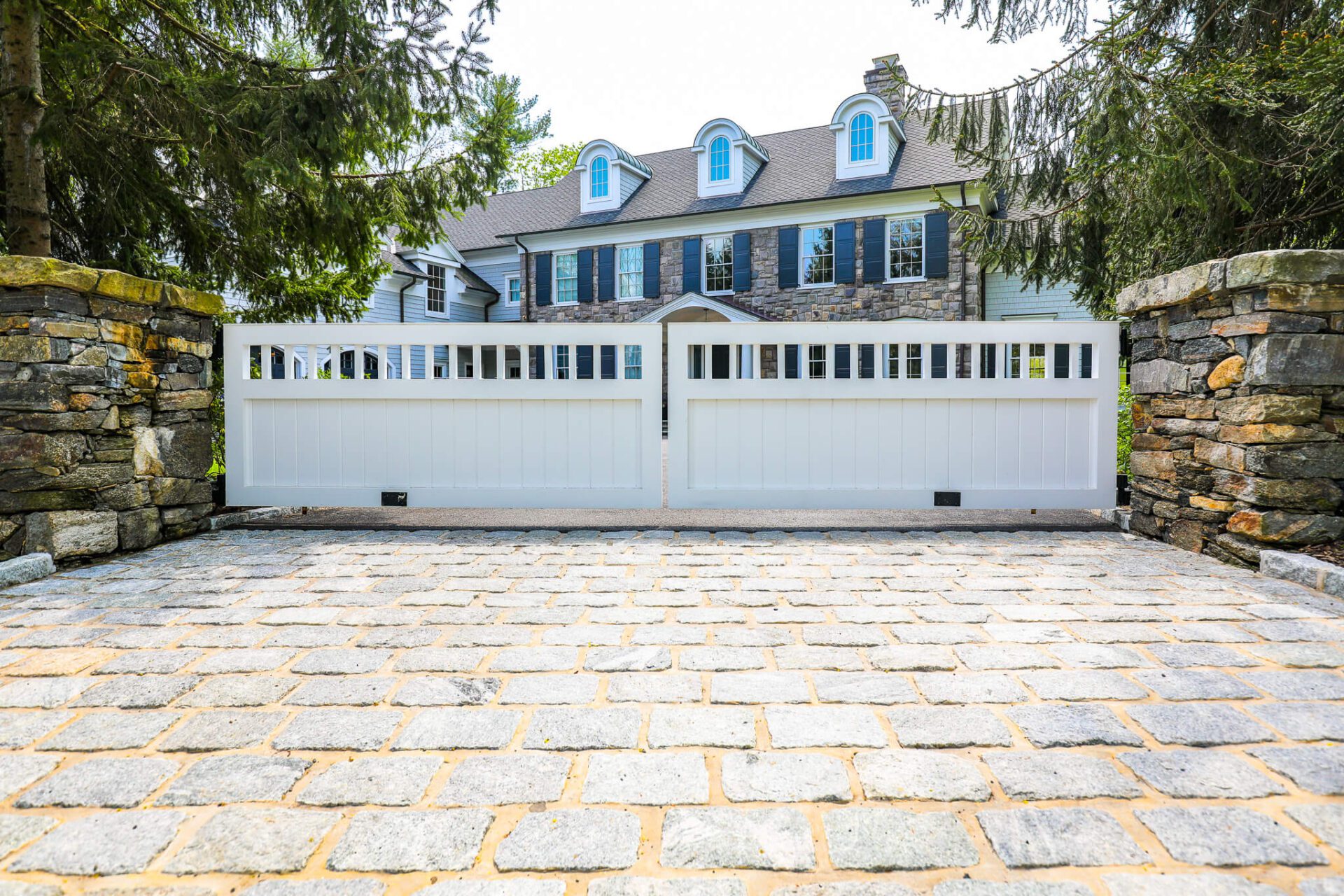
This question separates the detail-oriented designers from the ones who are simply moving fast. A custom gate should feel like it was always part of your property, not an afterthought bolted onto the driveway.
Ask specifically how they approach color and finish matching. Do they use paint codes from your existing structures? Do they offer custom powder coat colors? Can they match stonework, fencing, or trim details? The answer should be thorough and demonstrate genuine attention to architectural integration.
3. What Materials Do You Recommend for My Climate and Why?
A knowledgeable designer won’t give you a one-size-fits-all answer here. Material performance varies significantly depending on where you live. Coastal environments demand corrosion-resistant options like aluminum or bronze. Humid climates require specific protective finishes on steel or wrought iron. Harsh winters affect wood differently than mild ones.
If a designer recommends a material without asking about your location and climate, that’s a red flag. The right recommendation should be specific to your property and backed by experience.
4. What Warranties Do You Offer on Materials and Workmanship?
A quality gate is a long-term investment, and it should be backed by warranties that reflect that. Ask separately about material and workmanship warranties, which may cover the fabrication and installation itself.
Understand what’s covered, for how long, and what the process looks like if something needs attention down the road. At Tri State Gate, we offer a Service Agreement that is greatly beneficial to our customers. It includes twice-a-year visits when technicians perform preventive maintenance that can keep your gate’s motor issue-free for years to come.
5. What’s the Timeline from Design Approval to Completed Installation?
Custom fabrication takes time, and lead times vary considerably depending on the complexity of the design, material availability, and current workload. Getting a realistic timeline upfront helps you plan accordingly, especially if you’re working around a move-in date, a renovation schedule, or a specific event.
A typical custom gate project runs anywhere from six to twelve weeks from design approval to installation, though more complex projects can take longer. What you want is an honest, specific estimate – not a vague “a few weeks.”
6. Who Handles the Automation and Electrical Work?
Gate fabrication and gate automation are two distinct areas of expertise. At Tri State Gate, we actually handle both in-house. However, other companies may subcontract the automation component. Botton line: you want to know who is responsible for what – and who your point of contact is if something needs attention after installation.
Ask about the automation brands they work with, how the system integrates with your smartphone or existing smart home setup, and what the service process looks like if the motor or access control system ever needs attention.
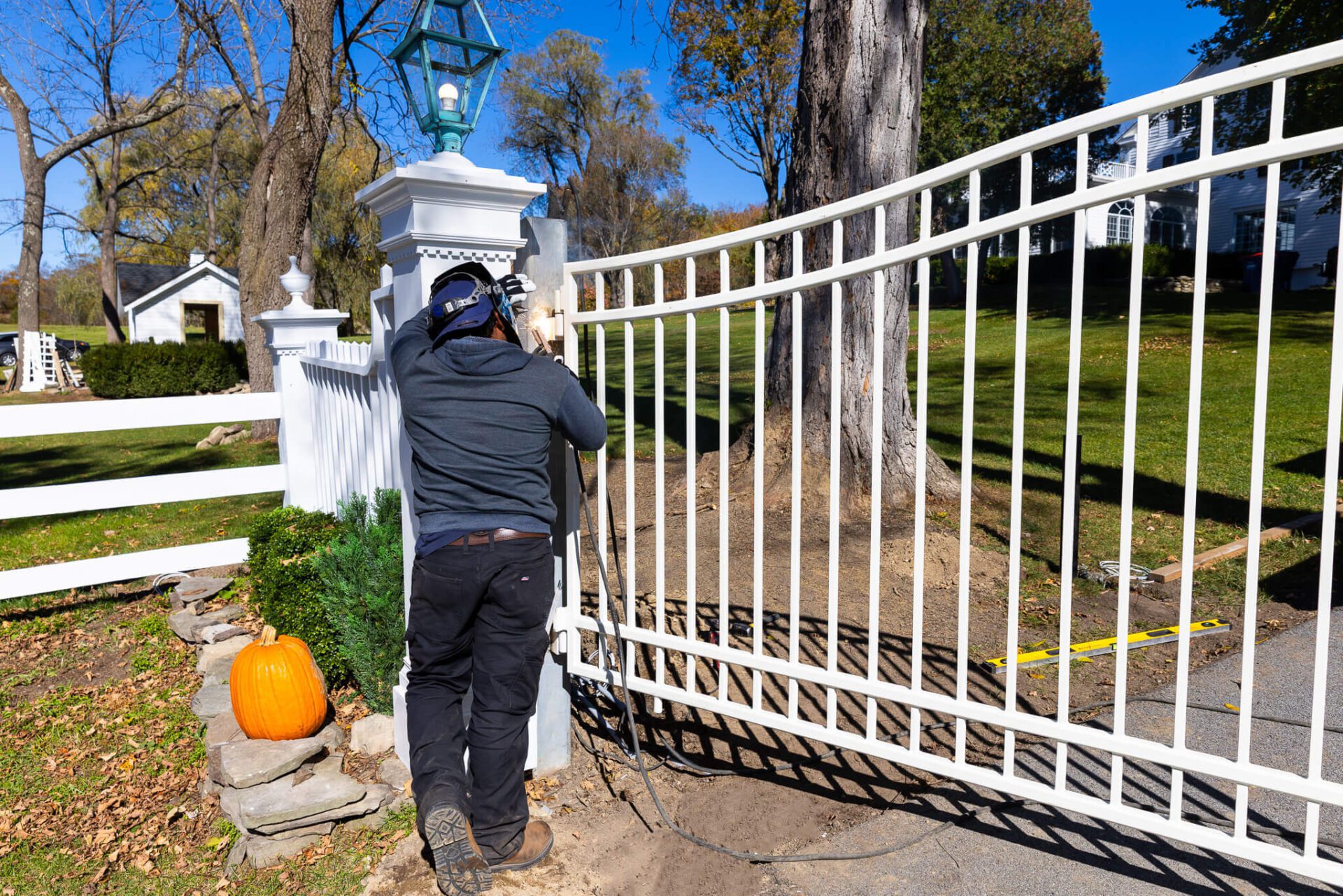
7. Can You Walk Me Through the Installation Process?
Understanding what installation actually involves helps you prepare and sets realistic expectations. How long does it take? Will you need to be home? Is there excavation or concrete work involved? How is the site left at the end of each workday?
A professional installation team will have clear, practiced answers to these questions. They should be able to walk you through the process step by step without hesitation.
8. What Does Ongoing Maintenance Look Like?
Even the highest-quality gate requires some level of attention over time. Ask your designer what routine maintenance looks like for the specific materials and automation system you’ve chosen, and whether they offer service agreements or maintenance visits. At Tri State Gate, we’re proud to offer our customers both.
Understanding the long-term care requirements upfront helps you budget appropriately and keeps your gate performing and looking its best for years to come.
Red Flags Worth Watching For
Beyond the questions themselves, pay attention to how a designer responds. A few warning signs worth noting:
- Vague or evasive answers to questions about timelines or warranties.
- No portfolio or limited examples of completed work
- Pressure to sign quickly before you’ve had time to review the proposal carefully
A professional design process should feel collaborative, transparent, and unhurried. The right designer will welcome your questions because they know their work speaks for itself.
What a Professional Design Consultation Should Include
For context, here’s a snapshot of what Tri State Gate offers at an on-site consultation:
- A site assessment to evaluate dimensions, grade, and architectural context
- A review of material options with specific recommendations for your property and climate
- Discussion of automation systems, access control, and smart home integration
- A clear proposal outlining scope, timeline, and warranty coverage
If a consultation feels rushed or skips over any of these areas, don’t hesitate to ask more questions or seek a second opinion.
Frequently Asked Questions
How long does custom gate fabrication typically take?
Most custom gate projects run six to twelve weeks from design approval to completed installation, though complex designs or specialty materials can extend that timeline.
What’s included in a professional gate design consultation?
A thorough consultation should include a site assessment, material recommendations tailored to your climate and architecture, automation system discussion, and a detailed proposal covering scope, timeline, and warranties.