Don’t Get Stuck This Season: Common Signs Your Gate Needs Fall Maintenance or Driveway Gate Repair
Your driveway gate does more than define your property line – it protects what matters most. But after a long summer of heat, rain, and heavy use, fall is the ideal time to inspect your system and handle small issues before they turn into costly driveway gate repair needs. Just like your car or HVAC system, your gate performs best with consistent care.
At Tri State Gate, we see an uptick in driveway gate repair requests every autumn. Leaves, moisture, and temperature changes can all affect mechanical and electrical components. In this article, we’ll walk through the most common signs your gate needs seasonal maintenance, why these issues develop, and what proactive care can keep your entrance running smoothly through winter and beyond.
Why Fall Maintenance Matters
As temperatures drop, metal contracts, lubricants thicken, and debris accumulates around hinges and sensors. Without proper upkeep, these small stressors can lead to slower operation, grinding noises, or even complete system failure. Fall is the perfect time for a check-up because:
- You’ll catch wear and tear before winter conditions worsen it.
- Preventive adjustments cost far less than an emergency driveway gate repair.
- A tuned-up gate provides reliable operation through the busiest months of family gatherings and holiday deliveries.
Think of fall maintenance as giving your gate a tune-up before the cold start of winter. And while you inspect your gate, check for these tell-tale signs. They may mean your gate needs a tune-up as soon as possible.
Your Gate Moves Slower Than Usual
One of the first signs that your gate needs attention is a noticeable slowdown. If your swing or sliding gate takes longer to open or close than it used to, friction or motor strain may be to blame.
Possible causes include:
- Dried or dirty hinges that need lubrication.
- Debris or gravel obstructing the track.
- Low battery voltage or worn electrical components.
When motors strain to move a heavy or misaligned gate, it can quickly lead to burnout –one of the most common repair issues we encounter each year. A professional tune-up and lubrication often can restore smooth, quiet operation.
Strange Noises During Operation
A well-maintained gate should operate quietly. Grinding, squeaking, or clunking sounds are not just annoying, they’re warning signs.
What those sounds could mean:
- Squeaks: Hinges need oil or the rollers are worn.
- Grinding: There’s metal-on-metal contact from misalignment.
- Clunking or banging: There’s loose hardware or damaged mounting brackets.
Ignoring these noises can accelerate wear on both mechanical and electrical systems. Early driveway gate repair can prevent parts from breaking and extend your gate’s lifespan.
The Gate Isn’t Closing All the Way
If your gate hesitates halfway or refuses to latch completely, the issue might be as simple as debris in the path or as serious as a sensor malfunction. Safety features are designed to stop movement when something obstructs the path, but over time, dust, leaves, or spiderwebs can confuse the sensors.
Quick homeowner tip: Wipe photo eyes and sensors gently with a soft cloth every few weeks. If the problem continues, call a professional to recalibrate the sensors and ensure your safety system is still compliant.
The Gate Responds Inconsistently to Controls
You press the remote, but nothing happens. Then suddenly, it works. An intermittent response can be frustrating, but it’s often a sign of wiring wear, a low transmitter battery, or interference with the control board.
Because gate operators combine mechanical and electronic systems, even minor corrosion or moisture can disrupt the circuit. Consistent maintenance keeps these components clean, dry, and protected from fall’s humidity swings.
There’s Visible Rust or Corrosion
Autumn moisture is one of the biggest culprits behind rust. When rain, dew, and falling leaves collect around hinges and weld points, oxidation begins. Once rust appears, it spreads quickly and can weaken structural integrity and dull your gate’s finish.
To prevent expensive repairs, your maintenance checklist should include:
- Cleaning the gate surface and removing leaves weekly.
- Applying a rust-inhibiting spray or touch-up paint as needed.
- Ensuring drainage near the base prevents standing water.
A professional inspection can identify early rust inside hinges or along the track that might not be visible from the outside.
The Gate Sags or Appears Uneven
If your gate looks slightly crooked or one side hangs lower, don’t ignore it. Misalignment often means hinge wear or soil shifting beneath the post or track. When left untreated, the imbalance strains motors, accelerates wear on rollers, and can even cause the gate to scrape the ground.
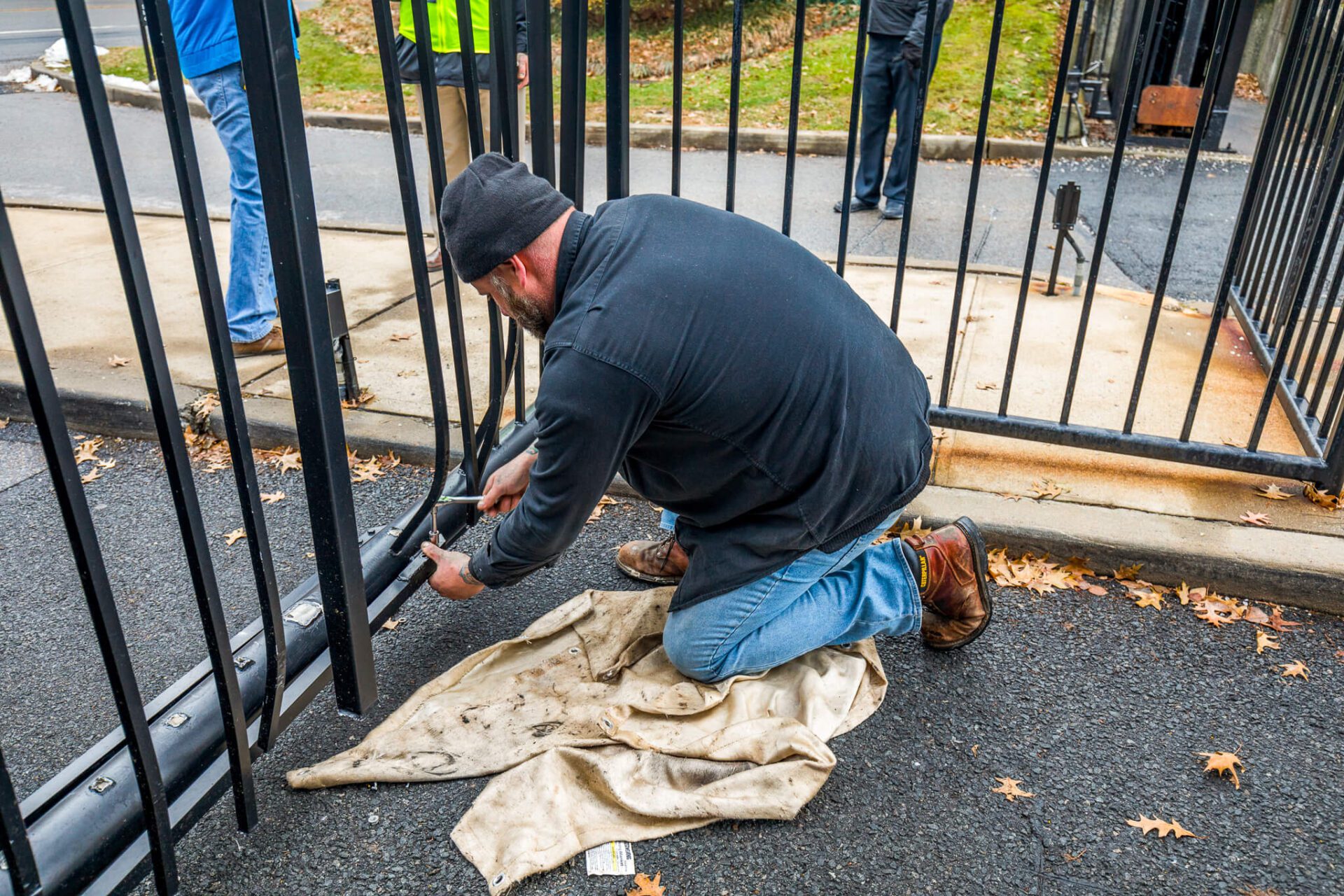
Professional driveway gate repair technicians can realign posts, tighten hardware, and level the system before permanent damage occurs.
Electrical Issues or Tripped Breakers
Smart or motorized gates rely on steady electrical power. If your system trips the breaker or the control panel flashes error codes, you may have moisture intrusion, frayed wiring, or failing components.
Because electrical troubleshooting involves safety risks, it’s best to leave these issues to certified gate repair specialists. They’ll test voltage, replace faulty relays, and ensure your gate’s safety features remain fully operational.
Remote, Keypad, or App Glitches
Today’s automated gates often integrate with apps, wireless remotes, and keypads. If your commands aren’t working reliably, or you notice delays, the issue may stem from weak signals, outdated firmware, or low batteries.
In some cases, fall humidity or insects inside the keypad housing can cause short circuits. A technician can clean and reseal the components to restore dependable function.
Preventive Steps Before Winter
A few small actions now can prevent a major driveway gate repairs later. In fact, at Tri State Gate, we offer service agreements that include full-service preventive maintenance twice a year. During this time, our technicians will:
- Lubricate all moving parts: They’ll lubricate hinges, chains, rollers, and bearings.
- Tighten hardware: Seasonal temperature changes loosen bolts and brackets.
- Inspect wiring and covers: Replace cracked conduit or worn insulation.
- Clear drainage paths: Standing water near the operator can freeze and cause damage.
- Check backup batteries: Cold weather reduces battery capacity. They’ll replace weak units before the first frost.
Regular maintenance not only keeps your gate secure, but also extends the lifespan of your investment.
Smarter Care, Safer Seasons
An automated driveway gate is designed to protect your home year-round. But without fall maintenance, even the best systems can falter when temperatures drop. By paying attention to early warning signs, such as strange noises, slow movement, misalignment, or inconsistent response, you can catch small issues before they become major repairs.
Whether you need lubrication, alignment, or a full driveway gate repair, the professionals at Tri State Gate are ready to help you keep your property secure, your entryway welcoming, and your system operating smoothly all season long.
Because your home deserves a gate that’s not just beautiful, but built to perform – no matter the weather.
Frequently Asked Questions
What are the most common signs that my driveway gate needs repair?
Slow operation, grinding noises, partial closing, visible rust, or unresponsive controls are all key indicators. Electrical issues, sagging, or sensor malfunctions also point to the need for professional driveway gate repair.
Can seasonal weather affect how my gate functions?
Absolutely. Temperature changes can cause metal to expand and contract, while moisture can corrode parts and disrupt electronics. Regular fall maintenance minimizes these seasonal effects.
How often should I schedule maintenance for my driveway gate?
Most experts recommend a professional inspection and tune-up twice per year. High-traffic gates or those in coastal or wet climates may need servicing more often.

Matt Prato is the president of Tri State Gate, and he offers decades of experience in custom gates and access solutions. Having been involved in every aspect of the company from design to fabrication, Matt is a true expert in his craft having worked on countless residential and commercial projects involving custom driveway gates, fences, railings, and other outdoor installations.